
Bleeding From The Bottom:
Get The Cause Checked
Bright red blood may come from piles or an anal fissure, but bleeding can also have other causes. Do not assume it is harmless. The right next step depends on how much blood there is, your age, bowel habit, medicines and other symptoms.
What To Tell Us
- The colour and amount of blood
- Whether blood is on the paper, on the stool or mixed through it
- Any pain, lump, mucus or discharge
- Any change in bowel habit, weight loss, tiredness or tummy pain
- Blood-thinning medicines and family history
What The Assessment May Include
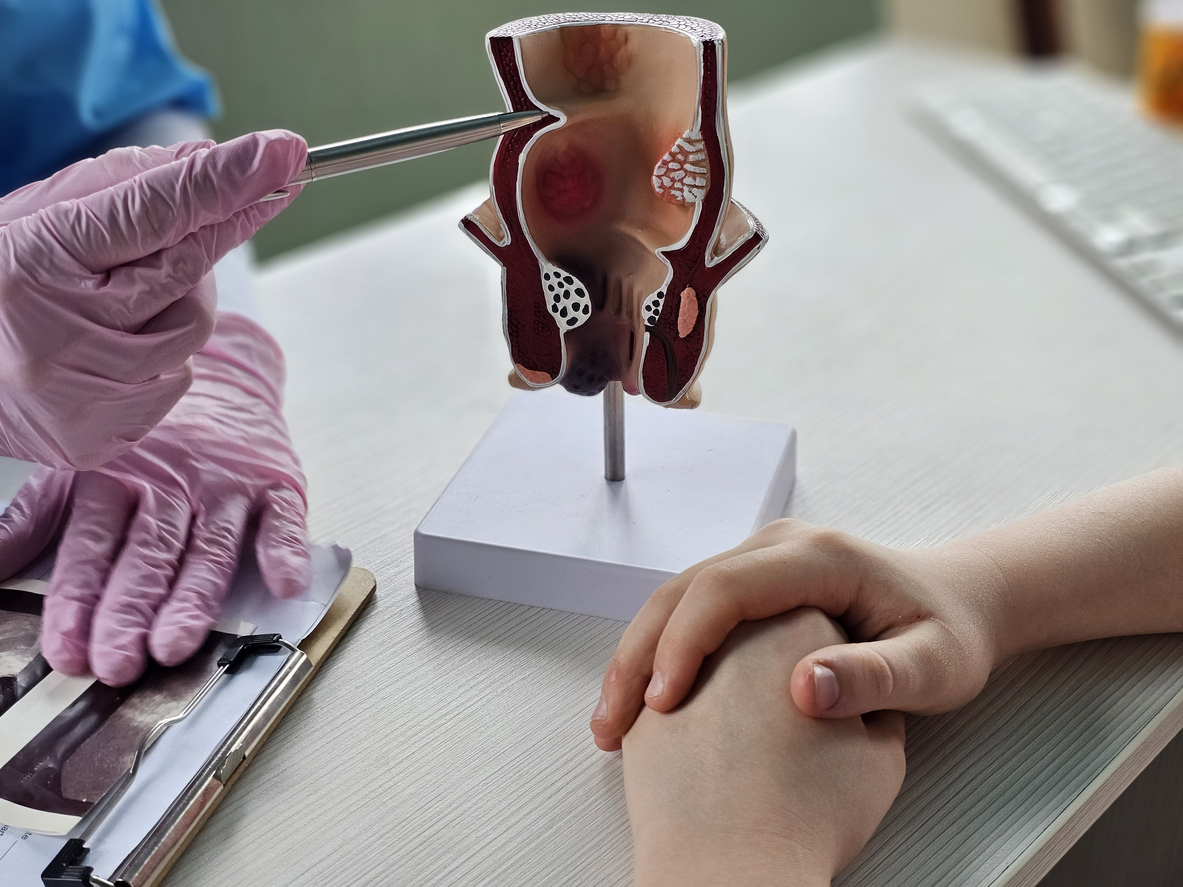
Mr Cundall may examine the anus and rectum and use a small viewing instrument. Some people need blood tests, a stool test, a flexible camera test or hospital investigation. A laser or minor procedure is offered only when the cause is clear and suitable.
When To Get Urgent Help
Call 999 or go to A&E for heavy or non-stop bleeding, large blood clots, fainting, severe weakness or severe pain. Use NHS 111 or an urgent GP appointment if you have bleeding with fever, pus or feel unwell.

Unsure What Treatment You Require
Get in touch with our team today and we can advise.
Questions People Ask
No. Piles are common, but fissures, inflammation, polyps and bowel cancer can also cause bleeding.
Yes, but urgent or emergency bleeding should go through NHS emergency care, not a routine private clinic appointment.
Not everyone does. Your symptoms, examination, age and risk factors guide the decision. you may also be asked to do a stool sample called a FIT test.
Yes. Do not stop prescribed medicine yourself. Tell the clinic what you take so a safe plan can be made.
Often, yes, if piles are confirmed and the chosen treatment is suitable. The exact option depends on the grade and pattern of symptoms.