
Treatment
SiLaC Laser Treatment
SiLaC Laser Treatment
For Pilonidal Sinus
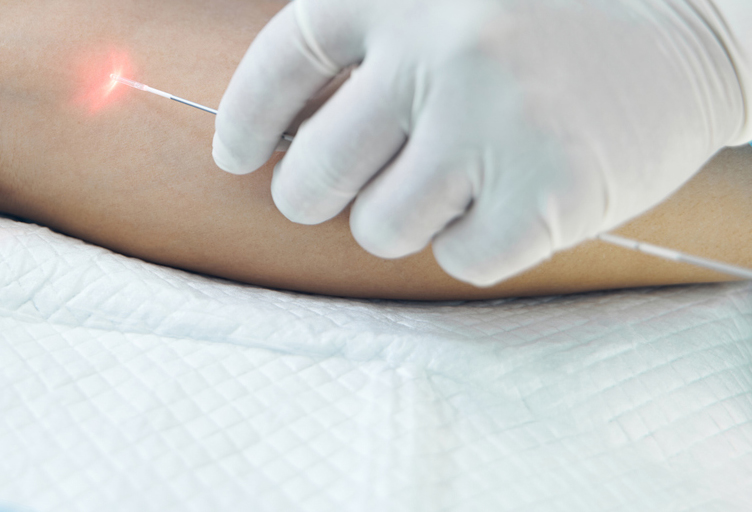
SiLaC treats a pilonidal sinus from inside using a thin laser fibre. The tract is cleaned, laser energy is delivered around its lining, and the small openings are left to drain and heal. It aims to avoid the large wound made by wide excision.
Who May Be Suitable?
SiLaC may suit a limited chronic sinus without a large active abscess. Branching disease, repeated failed surgery or a wide infected area may need another approach.
What Happens?
The skin is numbed with local anaesthetic. Hair and debris are removed from the tract. The laser fibre is inserted and withdrawn in a controlled way. You normally go home the same day.

Possible Benefits
Risks and Limits
Small access wounds
Pain, bleeding, infection or delayed closure
Less tissue removed
Ongoing fluid from the openings while healing
Day-case care
Failure to heal
Often a quicker return to normal activity than wide excision
Recurrence and need for another procedure
Alternatives
Observation and hair care, incision and drainage of an abscess, pit-picking, endoscopic treatment, cleft-lift procedures and excision are among the alternatives.
Laser Pilonidal Sinus Treatment Compared
With Traditional Surgery
Point
Laser Treatment (SiLaC)
Traditional Surgery
What Happens
A thin laser fibre treats the sinus from inside. Only small openings are usually needed.
The sinus and surrounding tissue are cut out. The wound may be left open, stitched closed or covered with a skin flap.
Wound and Dressings
The wounds are usually small, although some discharge is normal while they heal.
An open wound can require daily dressings and may take 6–8 weeks to heal. A closed wound needs stitches and can become infected.
Pain and Recovery
Early studies suggest less pain and a quicker return to normal activities. Most suitable patients go home the same day.
Recovery is usually longer, particularly after wide excision. Time away from work depends on the operation and the type of job.
Chance of Recurrence
The sinus may not close fully or may return. A second laser treatment or traditional operation may be needed.
Excision can be more suitable for large or complex disease. Recurrence and wound problems can still occur.
Best Suited To
Often considered for a limited or uncomplicated sinus without a large active abscess.
May be more suitable for extensive, branching, repeatedly infected or previously unsuccessful cases.
Laser treatment offers smaller wounds and a quicker recovery for many suitable patients. However, traditional surgery may give a more dependable result when the disease is large or complex.
Questions People Ask
A hot, very painful abscess usually needs drainage first. SiLaC is normally a planned treatment after infection is controlled.
Hair removal is known reduce irritation and recurrence risk. Your team will advise what is suitable for your skin.
Usually yes, but soreness varies. Short periods and movement may be more comfortable at first.
A small amount can be normal while the tract heals over 1-3 weeks. Increasing pain, bad smell, fever or heavy bleeding needs advice. You will be followed up the clinic and have access to advice if needed.
The evidence form Europe is very strong however direct comparison to the UK is difficult. Recurrence remains possible.