
Condition
Piles Treatment at Feylix
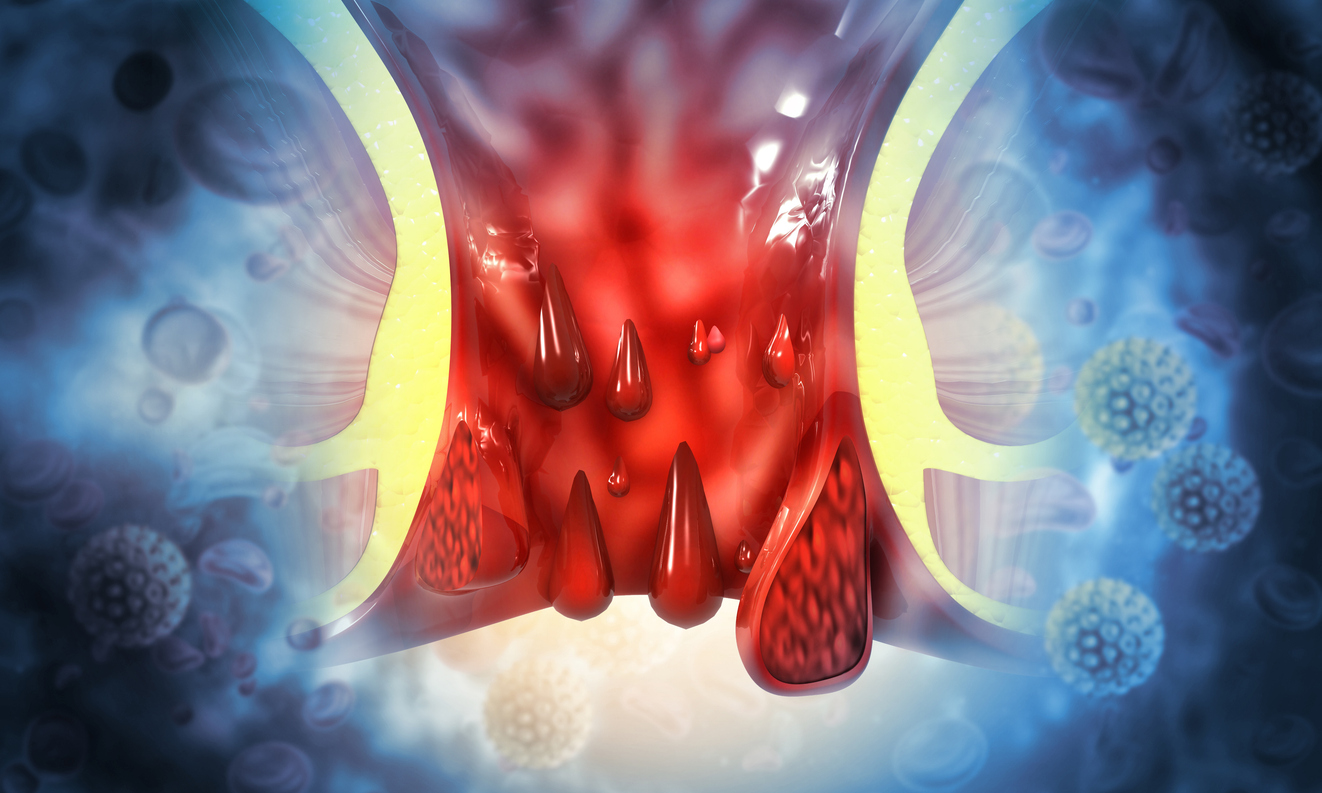
Piles, also called haemorrhoids, are enlarged blood-vessel cushions inside or around the anus. They can bleed, itch, swell or come down when you open your bowels. Treatment depends on the size of the piles, your symptoms and what you have already tried.
What Happens At The Consultation?
We ask about bleeding, pain, bowel habit, medicines and family history. With your consent, Mr Cundall examines the area and may use a small instrument to look just inside the anus. If the bleeding needs another test, he will explain why.
Treatment Options
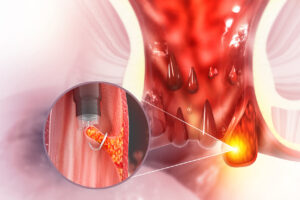
Many people improve with softer stools, more fibre and fluid, and less straining. Other options include banding, injections or surgery. For suitable piles, Feylix may offer laser haemorrhoidoplasty under local anaesthetic. The laser treats the pile from inside so there is less cutting than with excisional haemorrhoid surgery.
Important Limits
Laser treatment is not always the best choice. Large external piles, very advanced prolapse or another diagnosis may need a different procedure. Piles can also return after any treatment.
Symptoms & Conditions
Unsure What Treatment You Require
Get in touch with our team today and we can advise.
Questions People Ask
Piles are common and usually not dangerous, but bleeding should still be checked because other bowel problems can also bleed.
Mild symptoms may settle when constipation and straining improve. Piles that keep bleeding or prolapsing may need treatment.
The area is numbed with local anaesthetic. Studies often report less pain after laser treatment than after excisional surgery, but no procedure is pain-free and recovery varies.
Yes. No treatment can promise that piles will never return. Bowel habits, the grade of piles and the chosen treatment all matter.
Use urgent NHS help for non-stop or heavy bleeding, large clots, severe pain, faintness, fever or feeling very unwell.