
Condition
Pilonidal Sinus Treatment
Pilonidal Sinus Treatment
With Less Disruption
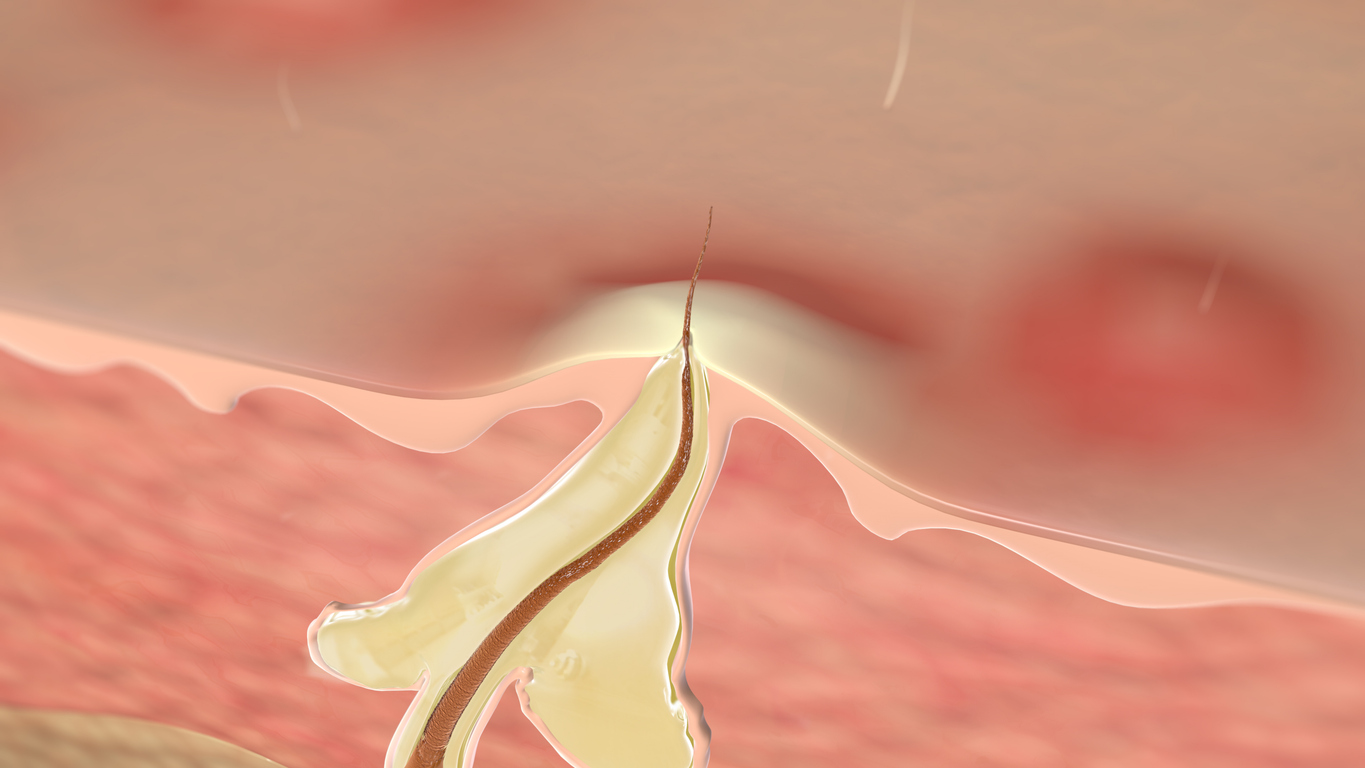
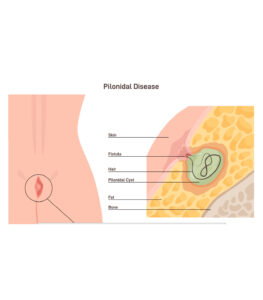
A pilonidal sinus is a small tunnel in the skin, usually at the top of the buttock cleft. Hair and debris can enter it and cause repeated pain, swelling, bleeding or discharge. An abscess needs urgent drainage; a long-term sinus may need planned treatment.
Treatment Options
Options range from hair and skin care to drainage of an abscess, opening or removing the sinus, endoscopic treatment or laser ablation. SiLaC uses a thin laser fibre inside the sinus with the aim of closing the tract while leaving only small skin openings.
Local Anaesthetic Care
For a suitable chronic sinus, SiLaC can be performed under local anaesthetic. You stay awake and normally go home the same day. Complex disease, a large abscess or repeated failed treatment may need another approach.
Recovery and Recurrence
A small wound can still leak while healing. You need clear wound-care advice and follow-up. Pilonidal disease can return after any procedure, so hair and cleft care may remain important.
Symptoms & Conditions
Unsure What Treatment You Require
Get in touch with our team today and we can advise.
Questions People Ask
No. A pilonidal sinus starts in the skin of the buttock cleft. An anal fistula connects to the anal canal.
An acute abscess usually needs drainage first. Planned closure is considered after the infection is controlled.
The technique aims to use small openings rather than a wide excision, but wound size depends on the sinus and any additional cleaning needed.
Yes. Recurrence is possible after laser and traditional surgery.
Many people return sooner after minimally invasive treatment than after wide excision, but your job, pain and wound drainage matter. You will get an individual plan.