
Condition
Anal Fistula Assessment
Anal Fistula Assessment
and Treatment
An anal fistula is a small tunnel between the anal canal and the skin near the anus. It often starts after an abscess. It can cause repeated pain, swelling, pus or blood-stained discharge and usually does not heal by itself.
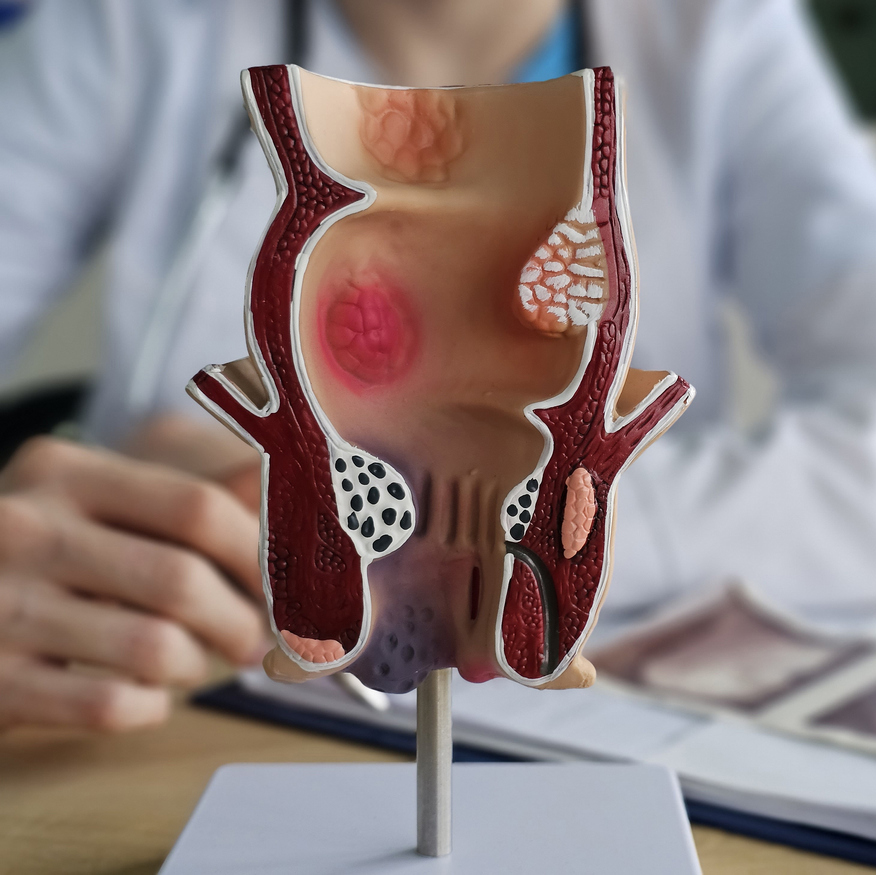
Why Fistulas Need Specialist Care
Some fistulas are shallow. Others pass through the sphincter muscles that control the bowel. Treatment must balance healing the tunnel with protecting bowel control.
Tests
Examination may be enough for a simple fistula. A complex or repeated fistula may need MRI, ultrasound or examination in a hospital setting before treatment.
Treatment Choices
A shallow fistula may be laid open so it heals from the base. A seton may be used to control drainage. For a suitable deeper fistula, FiLaC uses a thin laser fibre inside the tunnel to treat it while aiming to preserve the sphincter muscle. Feylix offers local-anaesthetic procedures only where this is safe and appropriate.
What FiLaC Cannot Promise
FiLaC is designed to protect the sphincter, but it does not heal every fistula. A repeat procedure or another operation may be needed. Active infection must be dealt with first.

Symptoms & Conditions
Unsure What Treatment You Require
Get in touch with our team today and we can advise.
Questions People Ask
Usually not. Fistulas often keep draining or become infected again until the tunnel is treated.
FiLaC stands for fistula-tract laser closure. A thin fibre delivers laser energy around the inside of the tract as it is withdrawn.
It avoids cutting through the sphincter in the way a fistulotomy may. This is its main attraction, but every case still needs careful assessment.
Published results vary. Reviews show that many patients heal, but failure or recurrence is common enough that you must discuss other options and the chance of another procedure.
A painful swelling, fever or feeling unwell may mean an abscess. This needs urgent assessment and drainage rather than a routine fistula closure.