
Treatment
Laser Treatment for Piles
Laser Treatment for Piles
Under Local Anaesthetic
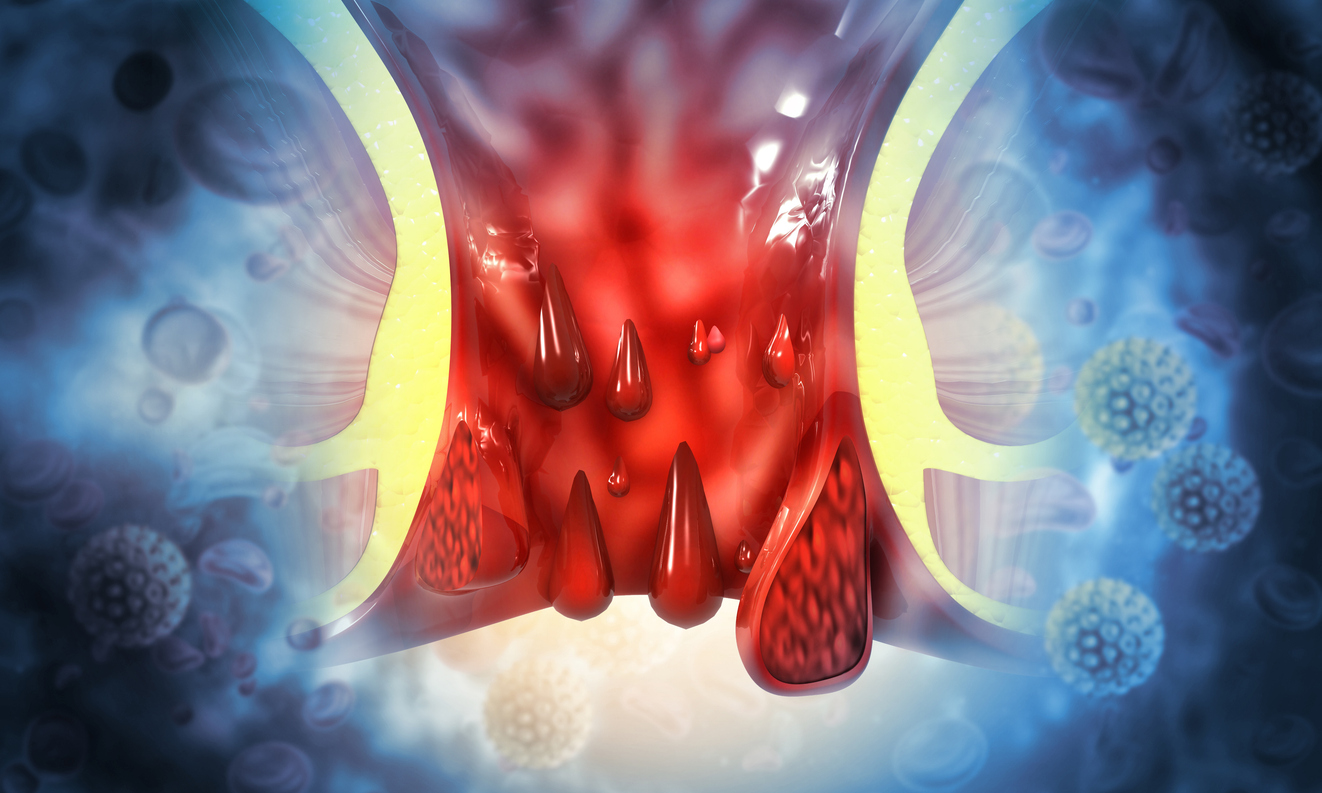
Laser haemorrhoidoplasty, often called LHP, uses a thin laser fibre to deliver controlled energy inside a haemorrhoid. The tissue shrinks over time. The aim is to treat the pile while avoiding the larger open wounds made by excisional haemorrhoid surgery.
Who May Be Suitable?
LHP is mainly used for internal piles that bleed or prolapse. Suitability depends on the grade, external skin, previous treatment, bowel habit and whether another cause of bleeding has been excluded. smaller piles are managed with banding and larger prolapsed piles are managed with standard excision.
What Happens On The Day?
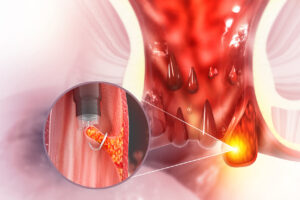
The area is numbed with local anaesthetic. A small opening is made and the fibre is placed inside each selected haemorrhoid. Laser energy is delivered in a controlled way. You rest after the procedure and normally go home the same day.
Possible Benefits
Risks and Limits
Less cutting and a smaller wound than excisional surgery
Pain, bleeding, swelling or difficulty passing urine
Lower early pain in many comparative studies
Infection or delayed healing
A quicker return to routine in many studies
A skin tag or prolapse may remain
No general anaesthetic for suitable Feylix patients
Symptoms may return
Another procedure or hospital surgery may be needed
Alternatives
Bowel-habit changes, banding, injections, haemorrhoidal artery ligation and excisional haemorrhoidectomy are among the alternatives. The best option depends on the problem you want to solve.
Questions People Ask
No. LHP treats the haemorrhoid from inside so it shrinks. Excisional haemorrhoidectomy cuts the pile out.
The procedure time depends on the number and size of piles. Your appointment also includes preparation, local anaesthetic and recovery time.
Many people return to light work within a few days, but pain, bleeding and the type of work can change this.
No. Shrinkage and scar support develop during healing. Swelling can make the area feel worse before it feels better.
No treatment can promise a permanent result. Long-term bowel habits and the grade of disease matter.