Modern Assessment and Treatment of Faecal Incontinence
A hidden problem
Faecal incontinence means being unable to control wind or stool. It may involve a small stain, a sudden rush to the toilet or a full bowel movement. It is common, but many people delay asking for help because they feel embarrassed. Modern care is private, respectful and based on finding the causes—not blaming the patient.[1]
The surgeon starts by listening. They ask what is leaking, how often it happens and whether there is warning beforehand. They will discuss stool consistency, urgency, constipation, childbirth injuries, previous surgery, medical conditions, medicines and diet. A bowel diary can show patterns that are easily missed. Bleeding, weight loss or a new change in bowel habit must also be checked.
Examination adds another part of the picture. The surgeon may look for soreness, scars, prolapse or an opening from a fistula. A gentle finger examination checks for trapped stool and assesses how well the anal and pelvic-floor muscles tighten, relax and work together.
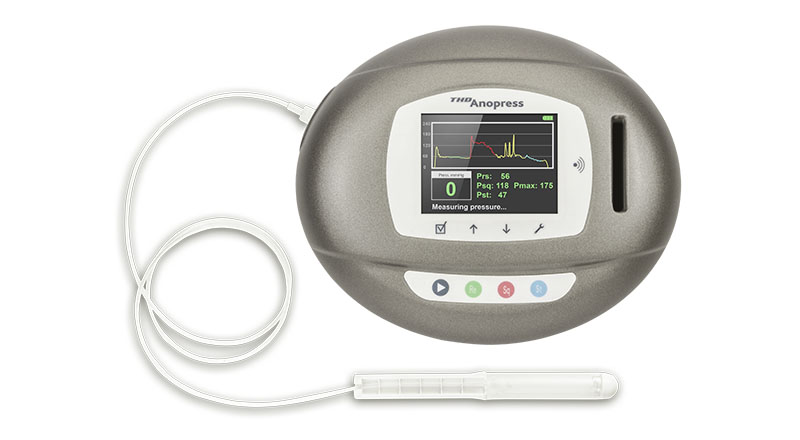
Some people also need specialist tests. Anorectal physiology measures pressure inside the anal canal and rectum. It can test resting muscle tone, squeeze strength, rectal sensation and the ability to hold on. Endoanal ultrasound uses a small probe to create images of the anal sphincter muscles. It may show a tear or scar after childbirth, injury or surgery.[1,2]
These tests answer different questions. Physiology shows how the bowel and muscles function. Ultrasound shows their structure. Neither replaces the patient’s story or examination, and not everyone needs both. Together, they can help the team choose treatment and avoid an unnecessary operation.
For many people, the next step is referral to a specialist pelvic-floor physiotherapist. Treatment may include advice on food, fluids and stool consistency; a planned toilet routine; pelvic-floor and anal sphincter exercises; urge-control techniques; and biofeedback. Biofeedback lets patients see how their muscles are working and helps them practise the correct movement.
In a 2019 randomised trial of 98 adults, people receiving supervised pelvic-floor training and biofeedback were more likely to report improvement than the comparison group.[3]
The surgeon and physiotherapist work as a team. Progress is reviewed and the plan adjusted. If conservative treatment is not enough, options may include medicines, bowel irrigation, nerve stimulation or, for selected muscle injuries, surgery.[1,2] There is no single treatment for everyone, but careful assessment often opens the door to better control, confidence and quality of life.
Appendix: References
- National Institute for Health and Care Excellence. Faecal incontinence in adults: management. Clinical Guideline CG49. NICE recommendations.
- Bordeianou LG, Thorsen AJ, Keller DS, et al. “The American Society of Colon and Rectal Surgeons Clinical Practice Guidelines for the Management of Fecal Incontinence.” Diseases of the Colon & Rectum. 2023;66(5):647–661. Clinical guideline.
- Ussing A, Dahn I, Due U, et al. “Efficacy of supervised pelvic floor muscle training and biofeedback versus attention-control treatment in adults with faecal incontinence.” Clinical Gastroenterology and Hepatology. 2019;17(11):2253–2261. PubMed.