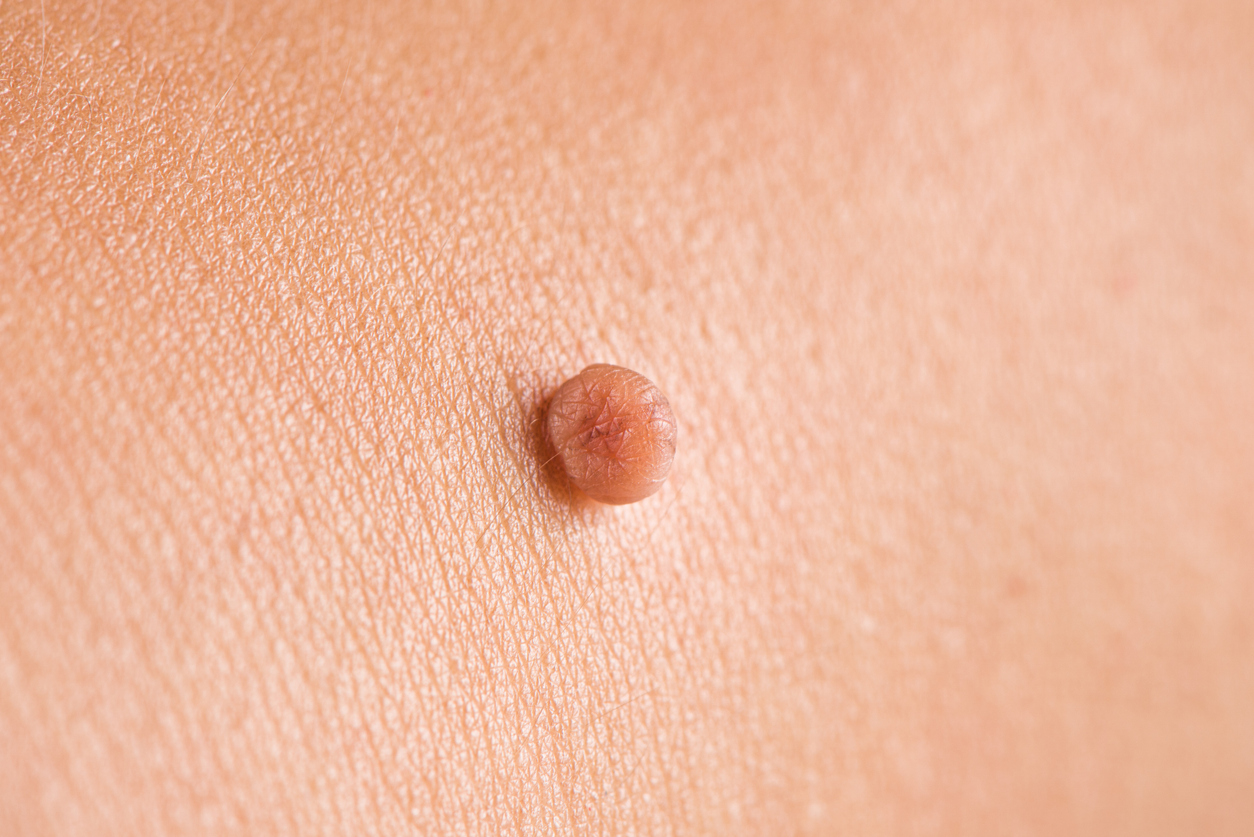
Anal Skin Tag Removal: Symptoms, Treatment and What to Expect
Skin tags are not just a cosmetic problem.
Skin tags are not just a cosmetic problem
If you have an anal skin tag, you might feel uncomfortable discussing it or assume that removal is purely cosmetic.
However, anal skin tags can cause practical problems. Difficulty cleaning after a bowel movement, recurring itching and irritated skin can affect your comfort and confidence throughout the day.
Although many tags can safely be left alone, removal may be worth considering when symptoms persist. For suitable patients, anal skin tag excision under local anaesthetic offers a way to remove troublesome excess skin without needing a general anaesthetic.
In this guide, we explain what anal skin tags are, the symptoms they can cause, and what to expect from treatment and recovery.
What Are Anal Skin Tags?
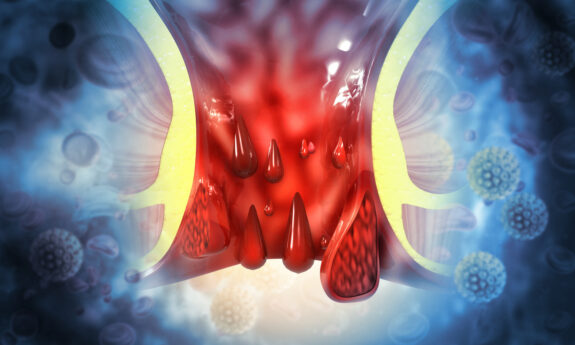
Anal skin tags are folds of excess skin around the anal opening. They are usually benign and may develop after swelling from an external haemorrhoid has settled. A tag can also occur alongside a long-standing anal fissure.
Some people have one small tag, while others have several or a larger fold of skin.
An examination is important because haemorrhoids, warts and other anal lumps can look or feel similar. The right treatment depends on confirming what the lump is and whether it is responsible for your symptoms.
Is Anal Skin Tag Removal Just Cosmetic?
No. Anal skin tag removal can be considered to relieve symptoms and make everyday hygiene easier.
Appearance may be one reason for seeking advice, but it is not the only one. Excess skin can make cleaning more difficult and contribute to persistent irritation.
For someone who repeatedly struggles to feel clean after opening their bowels, the aim of treatment may be greater comfort and easier personal care.
What Symptoms Can Anal Skin Tags Cause?
Many anal skin tags cause no symptoms. Others contribute to several recurring problems.
Difficulty Cleaning After a Bowel Movement
Skin folds can make wiping less effective, particularly after softer stools. Small amounts of stool may remain around the folds, creating a sense of incomplete cleaning.
This does not mean you are failing to maintain good hygiene. The shape of the skin can simply make cleaning more difficult.
Itching and Burning
Stool residue and moisture can irritate the sensitive skin around the anus. This may contribute to pruritus ani, the medical term for an itchy bottom.
Repeated wiping or scratching can make the irritation worse, creating a cycle of itching, cleaning and further soreness.
Soreness and Friction
Larger or inflamed tags may rub against neighbouring skin, causing tenderness or burning. Excessive cleaning can add to this discomfort.
Persistent pain, bleeding or discharge should be assessed rather than automatically attributed to a tag. Another condition may need treatment.
Do All Anal Skin Tags Need Removing?
No. If a tag is harmless and causes no problems, leaving it alone is often the best approach.
Before considering removal, your clinician may recommend:
- Gentle cleaning with water.
- Patting the area dry rather than rubbing.
- Avoiding fragranced soaps, wet wipes and excessive washing.
- Addressing constipation, diarrhoea or stool leakage.
- Treating any associated skin irritation.
These measures can improve symptoms even when the tag remains. Removal is most useful when the tag itself is contributing to persistent problems.
What Happens During Your Consultation?
Your clinician will ask about your symptoms, bowel habits, previous anal conditions and any treatment you have already tried.
An examination helps establish whether the lump is a skin tag and identify associated conditions such as a fissure or haemorrhoids.
A tag associated with an active fissure may need treatment of the fissure as well. Removing the tag alone may not resolve the pain.
People with Crohn’s disease require particular care when considering removal because active inflammation can affect wound healing.
How Are Anal Skin Tags Removed Under Local Anaesthetic?
Local anaesthetic excision involves numbing the area and carefully cutting away the troublesome excess skin.
For suitable tags, this can be performed as an outpatient procedure.
Numbing the Area
Local anaesthetic is injected around the treatment area. You may feel a brief sting as it is given.
Your clinician checks that the area is numb before proceeding. You may feel pressure or movement, but you should tell them if anything feels sharp or painful.
Removing the Tag
The surgeon removes the selected tag while preserving the surrounding anal skin.
Small bleeding points are controlled. Depending on the wound, a dissolvable stitch may be used or the area may be left open to heal.
Planning Safe Removal
If there are several large tags, treatment may need to be staged. Preserving healthy skin is important to avoid excessive scarring or narrowing of the anal opening.
Removed tissue may be sent for laboratory examination when appropriate.
Is Anal Skin Tag Removal Painful?
Local anaesthetic is intended to prevent sharp pain during the procedure. However, the anal area is sensitive, and soreness can develop once the anaesthetic wears off.
Discomfort may be particularly noticeable when opening your bowels, sitting or cleaning the wound. The extent and duration depend on the size and number of tags removed and your individual healing.
Your clinician will explain suitable pain relief and whether a stool softener or laxative would help. A short procedure can still require a meaningful recovery period.
What Is Recovery Like After Anal Skin Tag Removal?
Some spotting or discharge can occur while the wound heals. Follow your surgeon’s instructions on cleaning, dressings and activity.
General advice may include:
- Cleaning gently after bowel movements and patting dry.
- Avoiding fragranced products and vigorous wiping.
- Keeping stools soft and avoiding straining.
- Taking pain relief as advised.
- Allowing time off work according to your discomfort and job.
You may feel ready for some everyday activities before the wound has completely healed. Ask for individual guidance on exercise, swimming and activities that put pressure on the area..
What Are the Risks of Anal Skin Tag Excision?
Possible risks include pain, bleeding, infection, delayed wound healing, scarring and recurrent or residual tags.
Removing too much skin can cause narrowing, which is one reason careful assessment and conservative excision matter. Your surgeon should discuss your individual risks and the expected benefit before treatment.
Removal may improve symptoms caused by the tag, but itching or cleaning difficulties can persist if another condition is also contributing.
Anal Skin Tag Removal FAQs
No. A skin tag is excess skin, while haemorrhoids are vascular cushions that can become enlarged and symptomatic. A tag may remain after an external haemorrhoid settles.
Creams may soothe associated irritation, but they do not reliably remove an established fold of excess skin.
No. Do not cut, tie off or apply home removal products to an anal lump. You could cause bleeding, infection or injury, and the lump may not be a skin tag.
It may make cleaning easier when the tag is trapping residue or obstructing wiping. Your clinician should assess other possible causes of soiling or irritation before recommending surgery.
Arrange an assessment if a lump grows, changes, becomes painful or bleeds. Severe or worsening pain, fever, pus or significant bleeding after treatment needs prompt medical advice.
Looking for Anal Skin Tag Removal in Newcastle?
If an anal skin tag is causing cleaning difficulties, irritation or discomfort, a specialist consultation can help you understand whether removal would be beneficial.
At LASE Cosmetic in Jesmond, Newcastle, Mr Jeremy Cundall, Consultant General and Colorectal Surgeon, offers anal skin tag excision.
Your consultation provides an opportunity to confirm the diagnosis, discuss removal under local anaesthetic where suitable, and understand the expected benefits and recovery.