Haemorrhoid Treatment: Understanding the Grades, Banding and Laser Options
Is this the future of treatment for piles?
Explore The Treatment Options
If you’re looking into haemorrhoid treatment, you might be wondering whether you’ll need surgery, how uncomfortable treatment will be, and how quickly you can return to your normal routine.
Haemorrhoids, also known as piles, are a common problem. However, having troublesome symptoms does not automatically mean you need an operation to remove them.
Rubber band ligation and laser haemorrhoid treatment offer ways of treating suitable internal piles without excisional surgery. Understanding the different grades of haemorrhoids can help explain which approach may be appropriate for you.
In this guide, we explore the treatment options, with particular focus on banding and laser, alongside when haemorrhoidectomy may be recommended.
What Are Haemorrhoids?
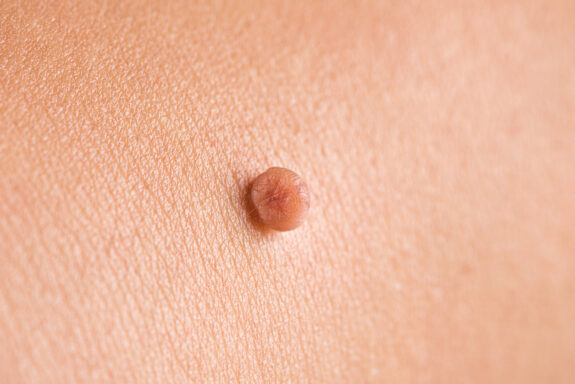
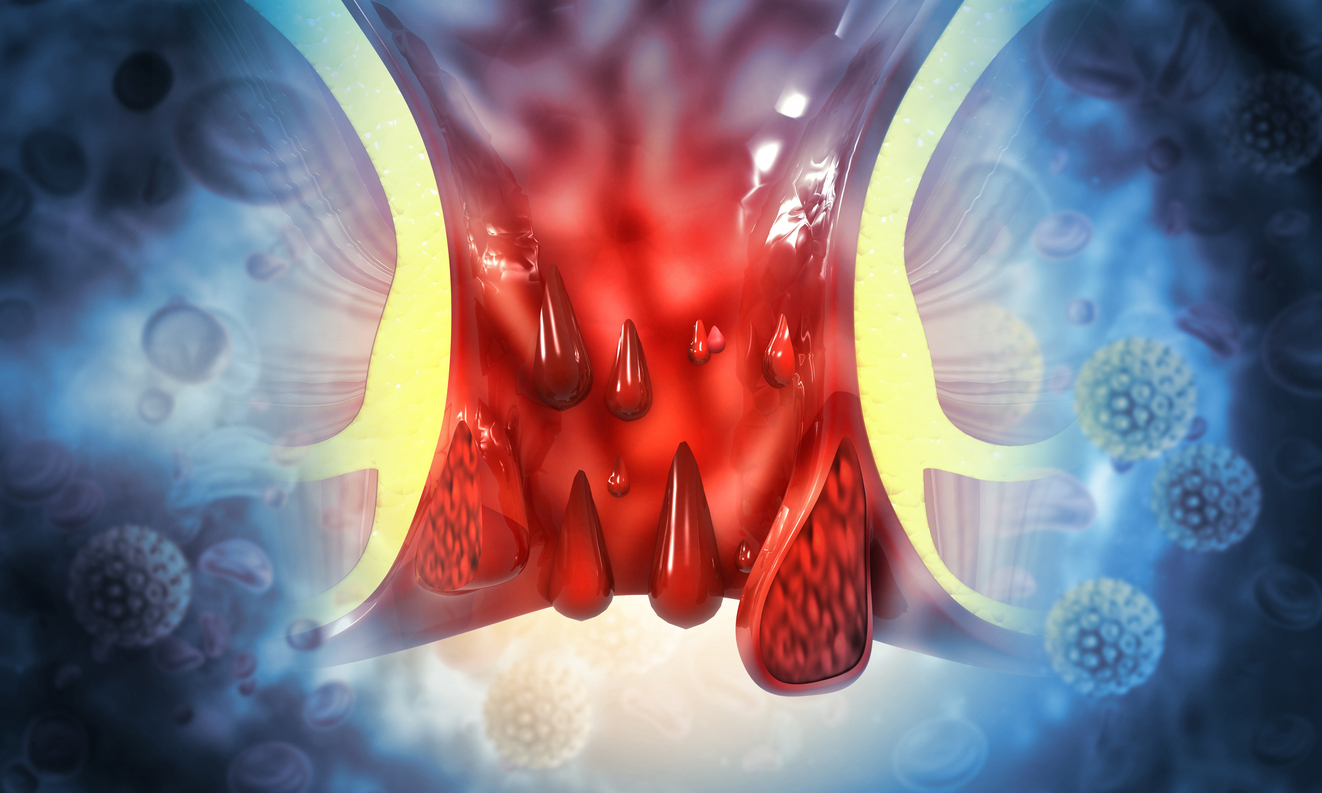
Haemorrhoids develop when the vascular cushions in and around the back passage become enlarged and symptomatic. Internal haemorrhoids arise inside the anal canal; external haemorrhoids affect the area around the anal opening.
Symptoms can include bleeding after opening your bowels, protruding tissue, irritation and difficulty keeping the area clean. Severe pain can have another cause, such as an anal fissure, so an examination is important.
Bleeding should not automatically be attributed to piles and further investigation may be necessary.
What Are the Different Grades of Haemorrhoids?
Internal haemorrhoids are graded according to how far they protrude, or “prolapse”, outside the anus.
| Grade | What does it mean? | Which treatments may be considered? |
| Grade 1 | Haemorrhoids remain inside the anal canal. They may bleed. | Bowel habit changes first; banding or another outpatient treatment if symptoms persist. |
| Grade 2 | Haemorrhoids protrude during a bowel movement and return inside by themselves. | Banding is often suitable. Laser may be considered following assessment. |
| Grade 3 | Haemorrhoids protrude and need to be pushed back inside. | Selected cases can be treated with banding or laser. Larger prolapses or associated external disease may need surgery. |
| Grade 4 | Haemorrhoids remain outside and cannot be pushed back inside. | Specialist surgical assessment is usually needed. Laser alone may not adequately address the prolapse. |
The grade helps guide treatment, but your symptoms, external haemorrhoids and previous treatment also matter. This grading system applies to internal haemorrhoids.
Can Haemorrhoids Improve Without a Procedure?
Yes. Improving bowel habits is an important first step and remains useful after treatment.
Helpful measures include:
- Increasing fibre gradually.
- Drinking enough fluid to keep stools soft.
- Avoiding straining and prolonged periods on the toilet.
- Discussing constipation and suitable laxatives with a pharmacist or clinician.
- Using recommended creams for short-term symptom relief.
These changes may settle symptoms, although persistent bleeding or prolapse may need further treatment.
What Is Haemorrhoid Banding?
Haemorrhoid banding, also called rubber band ligation, is an outpatient treatment for internal piles.
A small rubber band is placed around the base of the haemorrhoid, above the sensitive lower part of the anal canal. This interrupts its blood supply, allowing the treated tissue to fall away and scar tissue to help secure the remaining tissue.
Banding is an established option for grade 1 and 2 haemorrhoids that remain troublesome despite conservative treatment. Clinical guidelines consider it the most effective office-based treatment.
Why Consider Banding Before Excisional Surgery?
For suitable internal haemorrhoids, banding offers several practical advantages:
- Treatment in an outpatient clinic.
- Usually no general anaesthetic.
- No surgical excision wound.
- A relatively straightforward return to everyday activities.
Some patients need more than one session. Banding treats internal haemorrhoids rather than external lumps or skin tags. In broad terms it works in 2/3rd of cases.
Pressure, discomfort and bleeding can occur afterwards. Significant bleeding and infection are uncommon but important risks.
What Is Laser Haemorrhoid Treatment?
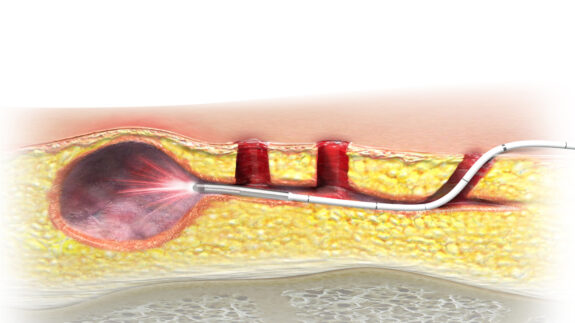
Laser haemorrhoidoplasty uses a fine laser fibre to deliver energy within the haemorrhoid, causing it to shrink.
This is different from an excisional haemorrhoidectomy, where haemorrhoidal tissue is cut away. The aim is to reduce symptoms while limiting tissue injury and avoiding larger excision wounds.
Laser haemorrhoidoplasty is principally considered for suitable symptomatic grade 2 and 3 internal haemorrhoids. More extensive prolapse may require an additional procedure to lift or secure the tissue. Read the laser haemorrhoidoplasty recommendations.
What Are the Benefits of Laser Treatment?
For an appropriately selected patient, laser treatment can offer:
- Less postoperative pain than conventional excisional surgery.
- A shorter recovery period. 11 day shorter return to activities of daily living in a recent trial
- Limited wounds.
- Treatment as a day case.
Comparative research supports these recovery advantages, although results depend on the disease and technique used. Laser is not guaranteed to prevent recurrence, and some patients need further treatment.
Laser treatment commonly requires an anaesthetic. At Feylix this is usually local anaesthetic but can be general anaesthetic if necessary. Possible complications include discomfort, bleeding, swelling and recurrence.
Is Banding or Laser Treatment Better?
The best option depends on what is causing your symptoms.
Banding is often a useful starting point for suitable internal haemorrhoids because it is an established outpatient procedure.
Laser may be worth discussing for appropriate grade 2 or 3 haemorrhoids, particularly when symptoms persist or banding has not provided sufficient relief.
Neither treatment is suitable for every patient. Your consultation should explore the likelihood of symptom improvement, recovery, costs and the possibility of repeat treatment.
When Is Excisional Haemorrhoid Surgery Needed?
An excisional haemorrhoidectomy remains an effective treatment, particularly for substantial external haemorrhoids, combined internal and external disease, or advanced prolapse.
It may also be appropriate when less invasive treatments have failed. Recovery can be more painful and prolonged, but removing the troublesome tissue may offer a more durable solution for some patients.
The aim is to choose the least invasive treatment likely to work well for your particular condition.
Are There Other Haemorrhoid Treatments?
Other options include injection sclerotherapy, infrared coagulation and haemorrhoidal artery ligation, which uses stitches to reduce blood flow. Their suitability depends on your symptoms and examination findings.
Haemorrhoid Treatment FAQs
Sometimes. Selected grade 3 haemorrhoids may respond to banding or laser treatment. Larger prolapses and significant external haemorrhoids can make excisional surgery more appropriate.
Some discomfort should be expected. Laser generally offers a less painful recovery than conventional excisional surgery, but pain relief and time to recover may still be needed.
This depends on your treatment, symptoms and job. Banding usually involves less disruption than an operation. After laser treatment, some patients need a few days off, with longer recovery for physically demanding work. Your surgeon will give individual advice.
Yes. Symptoms can recur after any treatment. Keeping stools soft and avoiding straining remain important, and further treatment may occasionally be needed.
Seek urgent medical advice for fever, feeling generally unwell or pus after treatment. Severe or increasing pain, or difficulty passing urine, also needs prompt assessment. Go to A&E or call 999 for non-stop bleeding, heavy bleeding, large blood clots or severe pain. NHS advice on piles.
Looking for Haemorrhoid Treatment in Newcastle?
If haemorrhoids are affecting your comfort or everyday life, a specialist consultation can help you understand your options.
At LASE Cosmetic in Jesmond, Newcastle, Mr Jeremy Cundall, Consultant General and Colorectal Surgeon, offers assessment and both laser and non-laser treatments for haemorrhoids, including outpatient banding.
Your consultation provides an opportunity to discuss your symptoms, understand the grade of your haemorrhoids and explore whether banding, laser or another treatment would suit you.